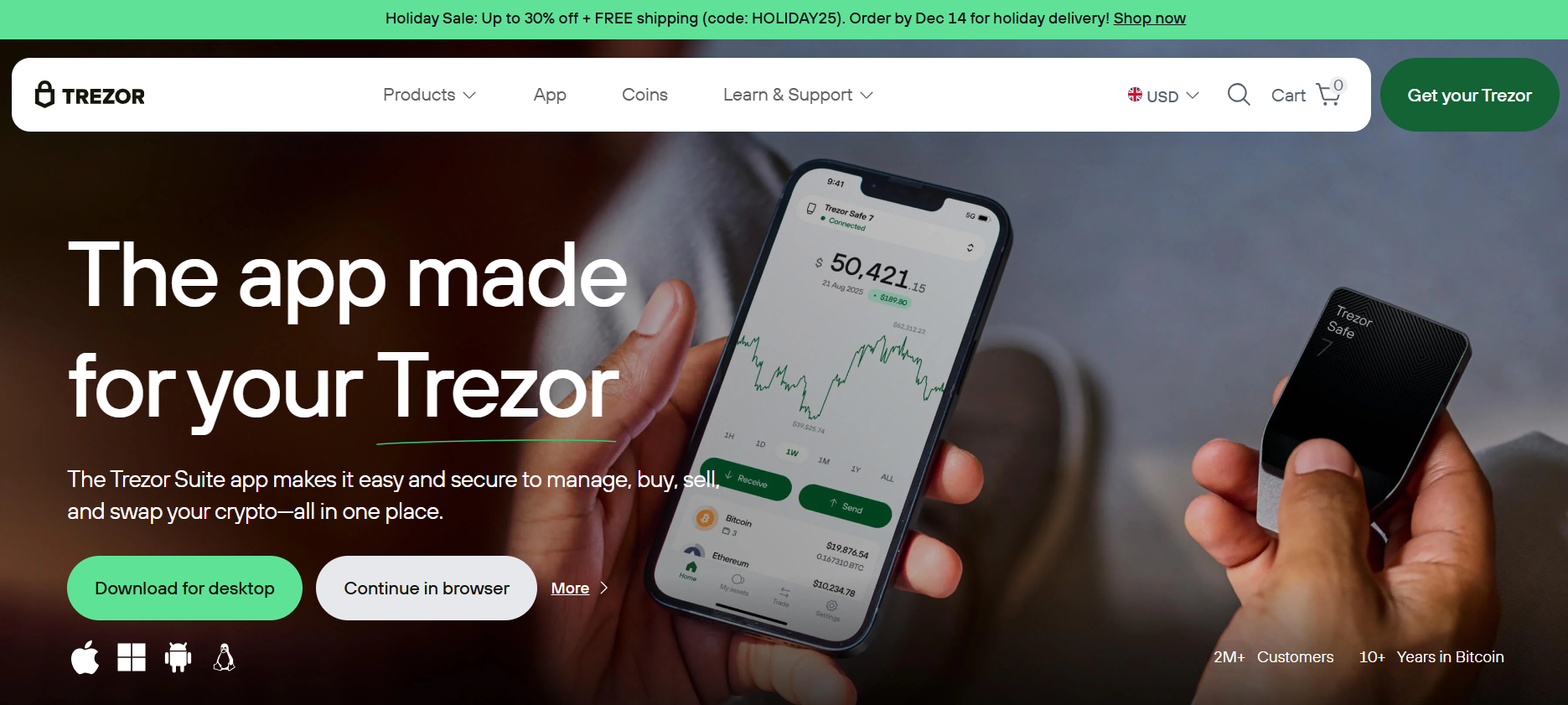
Getting started with Trezor.io/start
Setting up a hardware wallet is easier when you take it one step at a time. Trezor.io/start is a useful search phrase for people beginning that process, but the best first step is to make sure you are following current instructions from the device maker. This independent guide explains how to prepare, what to consider during setup, and how to approach everyday account and portfolio checks with care.
Prepare before you begin
Choose a quiet moment and a private place to work. Have your device, a suitable cable if one is needed, and a computer or mobile device ready. Check that the device is in your possession and appears as expected. If anything seems unusual, pause and consult the manufacturer’s current support resources rather than proceeding on assumptions.
Use a trusted starting point
Carefully check the web address before opening a setup page. Search results, messages, and advertisements can lead to sites that imitate familiar brands. Type a known address yourself or use documentation included with the product, then check the spelling and domain before continuing. This page is informational and is not an official Trezor website or affiliated with Trezor.
Keep recovery information private
During setup, a wallet may guide you through creating or recording recovery information. Follow the instructions shown by your own device and its current documentation. Treat that information as highly sensitive: anyone who obtains it could potentially gain access to the associated assets. Do not share it with another person, enter it into a website, or store it in a photo, email, or cloud document. If you are uncertain about a prompt, stop and verify what it means before acting.
Understand accounts and balances
After initial preparation, you may be able to organize accounts and review a portfolio using compatible software. Available options and on-screen labels can change, so rely on the instructions for the specific device and software version you are using. Take time to understand which account or network is selected before reviewing a balance or preparing a transaction.
Review before you transfer
A displayed balance is an interface view of activity associated with an account; it should not be treated as a promise about value. Before making a transfer, compare the destination details on screen with the details you intended to use. Consider the asset and network carefully, and read any fee or confirmation information presented by the software. If something does not match, do not approve the transaction until you have resolved the difference.
Make careful checks part of your routine
Small, deliberate checks help reduce avoidable mistakes. Keep software updated through trusted channels, protect access to the devices you use, and never let urgency replace verification. No guide can determine whether a particular transaction is right for you, and digital-asset activity involves risk. When unsure, pause and consult current product documentation or a qualified source you trust.
A calm first setup
Think of setup as a sequence: confirm your starting point, follow the device’s own guidance, protect private recovery details, then learn how account views and transfer confirmations work before taking action. Use Trezor.io/start as a reminder to seek reliable setup information—not as a reason to rush. Clear steps and careful verification make the process easier to understand while helping you stay in control of each decision.